
"medium grind"
7000 article(s) found

Coffee bean grinding terminology special words for coffee bean grinding
Caffeine: caffeine is the most eye-catching of all the ingredients in coffee. It is a kind of phytoxanthin (animal muscle component). It has the same properties as theobromine contained in cocoa, green tea contains the same theophylline, and the percentage of reduction after baking is very small. Caffeine has a very wide range of effects. will affect the human brain, heart, blood vessels, gastrointestinal, muscle and kidney and other parts, the right amount of caffeine
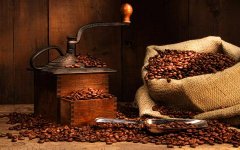
Special words for coffee bean grinding terminology for coffee bean grinding
Caffeine: caffeine is the most eye-catching of all the ingredients in coffee. It is a kind of phytoxanthin (animal muscle component). It has the same properties as theobromine contained in cocoa, green tea contains the same theophylline, and the percentage of reduction after baking is very small. Caffeine has a very wide range of effects. will affect the human brain, heart, blood vessels, gastrointestinal, muscle and kidney and other parts, the right amount of caffeine

Fine coffee technology coffee grinding skills
The task of grinding roasted coffee beans into powder is called crushing, and the props for grinding coffee beans are called grinders. Beethoven counts sixty coffee beans in the grinder every morning, grinds them and then brews them. Grind the coffee and enjoy its aroma. And then experience the fun excitedly. According to its size, the grinding methods of coffee beans can be divided into three types: rough grinding, medium grinding and fine grinding.
Fine Coffee Science discusses Coffee Grinding skills
The task of grinding roasted coffee beans into powder is called crushing, and the props for grinding coffee beans are called grinders. Beethoven counts sixty coffee beans in the grinder every morning, grinds them and then brews them. Grind the coffee and enjoy its aroma. And then experience the fun excitedly. According to the size of coffee beans, the grinding methods can be divided into three types: rough grinding, medium grinding and fine grinding.
Grinding degree of all kinds of coffee utensils
Here we share the different degrees of grinding we use for various brewing methods, from coarse to fine, in the following order: 1. Rough grinding of the pressure pot (the 5-6 scale of the Pegasus bean grinder, visually between yellow sugar and white granulated sugar, or similar to yellow sugar) 2. Medium grinding of siphon pot (4-5 scale of Pegasus bean grinder, visually similar to granulated sugar) 3. Hand punch pot
Fine coffee bean basic coffee bean grinding terminology
Caffeine: caffeine is the most eye-catching of all the ingredients in coffee. It is a kind of phytoxanthin (animal muscle component). It has the same properties as theobromine contained in cocoa, green tea contains the same theophylline, and the percentage of reduction after baking is very small. Caffeine has a very wide range of effects. will affect the human brain, heart, blood vessels, gastrointestinal, muscle and kidney and other parts, the right amount of caffeine
Several stages of Fine Coffee Grinding
The task of grinding roasted coffee beans into powder is called grinding coffee beans. It is said that Beethoven puts sixty coffee beans into the mill every morning, grinds and brews coffee and enjoys its fragrance. And then experience the fun excitedly. According to its size, the grinding methods of coffee beans can be divided into three types: rough grinding, medium grinding and fine grinding.
High-quality coffee bean technology coffee grinding skills
The task of grinding roasted coffee beans into powder is called crushing, and the props for grinding coffee beans are called grinders. Beethoven counts sixty coffee beans in the grinder every morning, grinds them and then brews them. Grind the coffee and enjoy its aroma. And then experience the fun excitedly. According to the size of coffee beans, the grinding methods can be divided into three types: rough grinding, medium grinding and fine grinding.
Coffee grinding skills of high-quality coffee beans
The task of grinding roasted coffee beans into powder is called crushing, and the props for grinding coffee beans are called grinders. Beethoven counts sixty coffee beans in the grinder every morning, grinds them and then brews them. Grind the coffee and enjoy its aroma. And then experience the fun excitedly. According to the size of coffee beans, the grinding methods can be divided into three types: rough grinding, medium grinding and fine grinding.
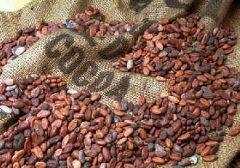
Brewing skills of high-quality coffee beans coffee grinding skills
The task of grinding roasted coffee beans into powder is called crushing, and the props for grinding coffee beans are called grinders. Beethoven counts sixty coffee beans in the grinder every morning, grinds them and then brews them. Grind the coffee and enjoy its aroma. And then experience the fun excitedly. According to its size, the grinding methods of coffee beans can be divided into three types: rough grinding, medium grinding and fine grinding.
Coffee common sense what's the difference between coffee beans, coffee powder and instant coffee?
Coffee bean grinding detailed explanation: the task of grinding roasted coffee beans into powder is called grinding coffee beans. It is said that Beethoven counts 60 coffee beans every morning and puts them into a grinder and then brews coffee while grinding coffee while enjoying its aroma and then experiencing its fun. According to its size, the grinding method of coffee beans can be divided into rough grinding and medium grinding.

What to do with Columbia coffee beans after hand grinding? how to drink medium roasted coffee?
What to do with Colombian coffee beans after hand grinding? how to drink medium-roasted coffee in Huilan area belongs to the mountain terrain, and coffee is planted on the slopes of the canyon, so it has a high altitude for growing high-quality Arabica beans, as well as the right temperature. The climate of the canyon slope not only prevents the cold wind from blowing in, but also keeps the mountain breeze cool without high temperature, and Rain Water is also relatively sufficient, it can be said that

What is the effect of the thickness of hand-brewed coffee powder on coffee extraction?
The coffee grinding thickness is closely related to the final taste of coffee. A professional barista must know the effect of coffee powder grinding thickness on coffee extraction before making coffee, and reasonably control the coffee product quality by adjusting the coffee grinding thickness. The shorter the brewing time of the machine you use, the more the coffee powder has to expand its surface area to come into contact with water.

Coffee powder fine type and main uses of ground particles of coffee suitable for how to brew?
Professional coffee knowledge exchange More coffee bean information Please pay attention to coffee workshop (Weixin Official Accounts cafe_style) The purpose of grinding coffee beans and the thickness and main purpose of coffee powder The reason why coffee beans are ground before use is to extract the ingredients in coffee beans more easily. Grinding beans can increase the surface area of coffee beans by thousands of times, so that coffee beans can be ground in a short time.
Coffee bean grinding
The prop for grinding roasted coffee beans into powder is called grinding coffee beans. It is said that Beethoven counts sixty coffee beans every morning and grinds them and then brews coffee while grinding coffee while enjoying its aroma and then excitedly experiencing its fun. According to its size, the grinding method of coffee beans can be divided into three types: rough grinding, medium grinding and fine grinding.

Glossary of terms for the composition of coffee beans
Caffeine: caffeine is the most eye-catching of all the ingredients in coffee. It is a kind of phytoxanthin (animal muscle component). It has the same properties as theobromine contained in cocoa, green tea contains the same theophylline, and the percentage of reduction after baking is very small. Caffeine has a very wide range of effects. will affect the human brain, heart, blood vessels, gastrointestinal, muscle and kidney and other parts, the right amount of caffeine

The effect of Grinding degree of Coffee Powder on Flavor how to determine the Grinding degree of hand pressing and Cold extraction
Professional coffee knowledge exchange more coffee bean information please follow the coffee workshop (Wechat official account cafe_style) Coffee is bitter? So sour? Everyone wants to drink good coffee, sweet and palatable, with explosive aroma and long aftertaste, and hope to drink this kind of coffee every time. There are many factors that affect the taste of coffee: time, temperature, brewing equipment, etc.

Basic knowledge of coffee-introduction to coffee knowledge
Coffee bean grinding the task of grinding roasted coffee beans into powder is called grinding coffee beans. It is said that Beethoven counts 60 coffee beans every morning and puts them into a grinder and then brews coffee while grinding coffee while enjoying its aroma and then experiencing its fun. According to its size, the grinding method of coffee beans can be divided into rough grinding, medium grinding and fine grinding.
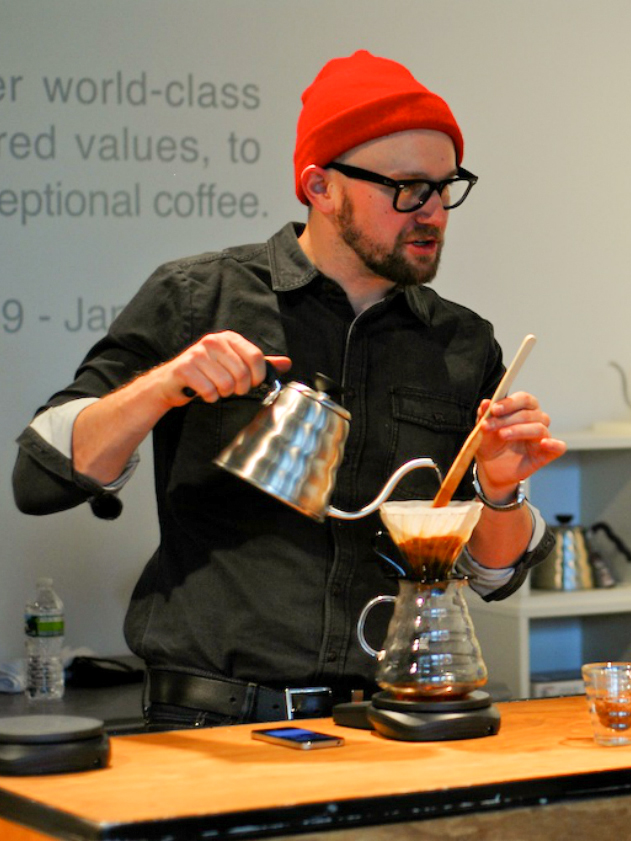
Hand brewing coffee-the difference between American hand brewing and Japanese hand brewing
[introduction] the typical American flavor is mainly medium baking and deep baking, full-bodied + mild bitter + sweet. It has both bitter and sweet personality. During the grinding, the water temperature is between 80 and 85 degrees, and the water flushing speed is medium speed. Deep baking is fine grinding, the water temperature is between 85 and 90 degrees, the fine water is slow, and the bitter taste is heavy. Americans often have the difference between American style and Japanese style. Although the American style

The grinding of coffee
Coffee beans, the dark brown beans seem ordinary, but they have a lot of knowledge at all stages. For a coffee cook and drinker like me, coffee beans are grown, produced and roasted. I think it is enough to have a general understanding of professional knowledge, and coffee merchants can be responsible for the production. After all, this is an era of paying attention to the division of labor. Feasible research